
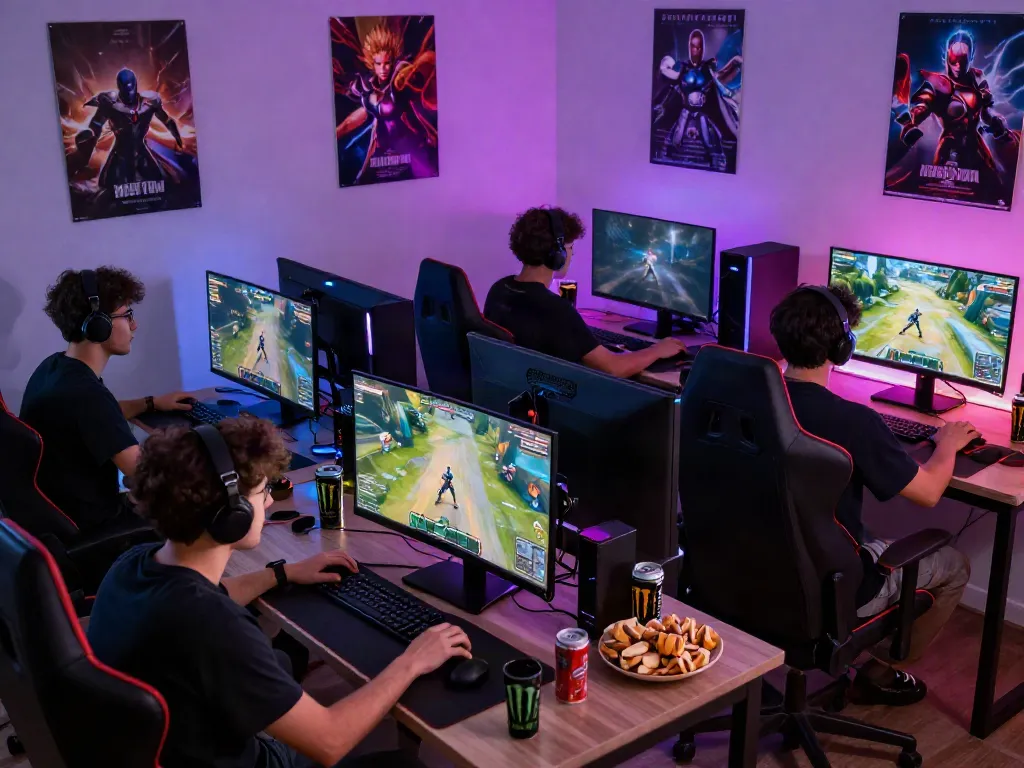
The Evolution of Gaming Technology
The gaming industry has witnessed a remarkable evolution over the past few decades, transitioning from the simplistic graphics of the early days to the visually stunning, immersive experiences we see today. This evolution is characterized by advancements in hardware, software, and connectivity that have radically transformed how gamers interact with content and each other. In this article, we will explore the current trends in gaming hardware, the impact of virtual reality (VR) on gameplay, and the future innovations that are set to redefine the gaming landscape by 2026. To gain deeper insights into these emerging technologies, platforms such as https://go889.de.com/ can provide comprehensive information and updates.
Current Trends in Gaming Hardware
Modern gaming hardware is at the forefront of technological innovation. Graphics processing units (GPUs) and central processing units (CPUs) are becoming increasingly powerful, enabling developers to create richer and more complex game worlds. The rise of 4K gaming and high refresh rates has made advanced graphics cards a necessity for serious gamers. Devices like NVIDIA's RTX series and AMD's Radeon cards allow for real-time ray tracing, providing unprecedented realism in lighting and reflections. Additionally, there is a growing trend towards modular and customizable gaming systems, allowing users to upgrade specific components rather than replacing entire machines.
Impact of Virtual Reality on Gameplay
Virtual reality technology has redefined the landscape of gaming, offering immersive experiences that were once the stuff of science fiction. VR headsets such as the Oculus Quest 2 and Valve Index allow players to step into virtual worlds and interact with them in ways that traditional gaming consoles and PCs cannot replicate. The impact of VR on gameplay extends beyond mere visual enhancements; it creates a sense of presence and engagement that can transform storytelling and gameplay mechanics. As developers continue to explore the potential of VR, we can expect more innovative titles that leverage this technology to create truly unique experiences.
Future Innovations to Watch in 2026
As we look towards 2026, several innovations are likely to emerge, further shaping the gaming industry. One standout area of focus is cloud gaming, which allows players to stream games without the need for high-end hardware. Services like Google Stadia and NVIDIA GeForce NOW are at the forefront of this revolution, making gaming accessible to a broader audience. Additionally, artificial intelligence (AI) will play a crucial role in enhancing NPC behavior and game narratives, resulting in more dynamic and engaging gameplay. The integration of blockchain technology for secure transactions and ownership of digital assets within games is another trend to watch, as it could redefine game monetization and player investment.
Enhancing the Gaming Experience
To create captivating gaming experiences, developers must focus on various aspects that enhance user interaction. The importance of user interface (UI) and design cannot be overstated; a well-designed UI can draw players in and make navigation intuitive. Additionally, community and social interactions are vital in fostering engagement and retention among players. By encouraging customization and modding, developers can empower users to create their own experiences, leading to a more vibrant gaming culture.
Importance of User Interface and Design
A seamless and aesthetically pleasing user interface is essential for a gratifying gaming experience. Games such as "The Witcher 3" and "Hades" demonstrate how UI design can enhance gameplay by presenting information clearly and artistically. Developers must invest in user testing to refine UI elements, ensuring that they cater to the needs of their audience. With advancements in design tools and methodologies, the focus should always be on creating an immersive experience that feels natural and engaging.
Community and Social Interactions in Gaming
The rise of multiplayer gaming has fostered a strong sense of community among players. Games like "Fortnite" and "Among Us" have leveraged social interaction to create dynamic gaming experiences that are more than just about competition. Features such as in-game chat, collaborative missions, and community events enable players to connect and share experiences. As gaming platforms evolve, integrating social networking features will be crucial for maintaining player engagement and cultivating a loyal user base.
Customization and Modding Trends
The trend towards customization and modding has seen a resurgence, with many players seeking personalized experiences. Games that support mods, such as "Skyrim" and "Minecraft," have thrived by allowing players to create and share their own content. This not only enhances replayability but also fosters a creative community. Developers should consider providing tools and support for modding, as it can significantly extend the lifespan of a game and maintain player interest long after launch.
The Role of Streaming in Gaming
Streaming has transformed not just how games are played, but also how they are consumed. Platforms like Twitch and YouTube Gaming have given rise to professional gamers and influencers who showcase gameplay, provide tutorials, and engage viewers in real-time. This shift has altered the gaming landscape, making it more accessible and interactive for fans worldwide.
Rise of Professional Gamers and Influencers
The emergence of professional gaming has created a new industry where gamers can earn a living through competitive play and sponsorships. As esports gain popularity, players are now seen as athletes, and tournaments draw millions of viewers. Influencers play a crucial role in popularizing games and providing content that resonates with their audiences. Their direct interaction with fans fosters a community and propels game popularity, making them key players in the gaming ecosystem.
Platforms for Streaming and Engagement
Streaming platforms provide the infrastructure for gamers to share their gameplay and connect with audiences. Twitch remains the leading platform, while YouTube Gaming is catching up with its vast user base. These platforms offer various engagement tools, such as chat features and subscription options, which enable gamers to monetize their content and build communities around their channels. The potential for engagement and direct interaction with fans makes streaming an integral part of the gaming experience.
Monetization Strategies for Gamers
As streaming becomes more prevalent, understanding monetization strategies is essential for gamers looking to turn their passion into a career. From donations and subscriptions to sponsorships and merchandise sales, there are numerous avenues for generating revenue. Successful gamers leverage their audience engagement and unique content to attract sponsorship deals and create additional income streams. The ability to monetize gameplay not only supports gamers financially but also encourages the creation of high-quality content.
Gaming Cultures Around the World
The intersection of gaming and culture reveals diverse preferences and trends across different regions. As technology continues to democratize access to gaming, understanding these cultural nuances becomes critical for developers and marketers aiming to tap into global markets.
Regional Game Preferences and Trends
Gaming preferences often vary by region, influenced by factors such as social norms and technological access. For instance, mobile gaming dominates in Asia, where smartphones are prevalent. In contrast, console and PC gaming take precedence in North America and Europe. Developers must consider these regional trends when designing games to ensure they resonate with their target audiences, tailoring gameplay, themes, and marketing strategies accordingly.
Esports: The New Frontier of Competition
Esports has emerged as a significant cultural phenomenon, attracting millions of fans and generating substantial revenue. With organized tournaments like The International and League of Legends World Championship, professional gaming is gaining recognition as a legitimate sport. This evolution has led to the establishment of dedicated esports teams and academies, nurturing future talent and providing opportunities for competitive gaming to thrive.
Cultural Impact of Gaming on Society
Gaming is not merely entertainment; it influences culture, society, and even education. Games provide a platform for storytelling that reflects cultural narratives and societal issues, fostering empathy and understanding among players. Moreover, educational games are gaining traction, promoting learning and skill development in engaging ways. As gaming continues to integrate into various aspects of life, its cultural impact will only grow stronger.
Preparing for the Future of Gaming
As technology evolves, so too must gamers—adapting to new paradigms and preparing for the innovations on the horizon. The skills required for gamers to remain relevant in this rapidly changing landscape are becoming increasingly comprehensive and diverse.
Essential Skills for Future Gamers
Future gamers will need to cultivate a range of skills that extend beyond gameplay. Critical thinking, problem-solving, and creativity will be essential as games become more complex and interactive. Moreover, understanding game design principles can provide players with insights into what makes a game enjoyable, helping them create content or improve their playing strategies.
Adapting to Rapid Technological Changes
Technological advancements will continue to shape the gaming experience. Gamers must remain adaptable, embracing new tools and platforms as they emerge. This adaptability will be crucial in keeping up with trends such as cloud gaming, VR, and AI-enhanced gameplay, allowing them to make the most of new opportunities as they arise.
Predictions for Gaming in 2026 and Beyond
Looking forward to 2026, the gaming industry is poised for transformative changes. We can expect broader access to immersive experiences thanks to advancements in AR and VR technologies, alongside developments in AI that will enhance game interactivity. Furthermore, as gaming becomes increasingly mainstream, the industry will continue to diversify, welcoming players from all walks of life. These changes promise to redefine the gaming landscape and create new opportunities for engagement and storytelling.
What are the latest trends in gaming hardware?
Today's gaming hardware is focusing on modular designs, energy efficiency, and seamless integration across devices. This trend reflects a demand for customization and sustainability, with an emphasis on consumer choice and environmental responsibility.
How is virtual reality changing the gaming landscape?
Virtual reality is enhancing immersion in gaming, allowing players to experience worlds and narratives like never before. This technology is pushing developers to create more interactive and engaging content, bridging the gap between gamer and game.
What social features enhance the gaming experience?
Social features such as in-game chat, collaborative missions, and community events foster connection among players. These elements help build a sense of belonging and can significantly enhance player engagement over time.
What opportunities exist for professional gamers?
Professional gamers can leverage streaming, sponsorships, and tournament earnings as viable career paths. Additionally, content creation and influencer marketing are lucrative opportunities within the gaming industry.
What are the emerging gaming cultures globally?
The global gaming culture is becoming increasingly diverse, with varying preferences that reflect regional trends. For more information, Dàn đề bất bại offers valuable insights. Understanding these preferences will be essential for developers aiming to capture international markets.